
Introduction
Manufactured sand (also known as M-sand or artificial sand) is produced by crushing rocks, stones, or gravel into fine particles. It is defined as aggregate material less than 4 mm in size, processed from crushed rock or gravel for construction use. With natural sand resources depleting worldwide, manufactured sand has become the ideal alternative for the construction industry.
The Production Process
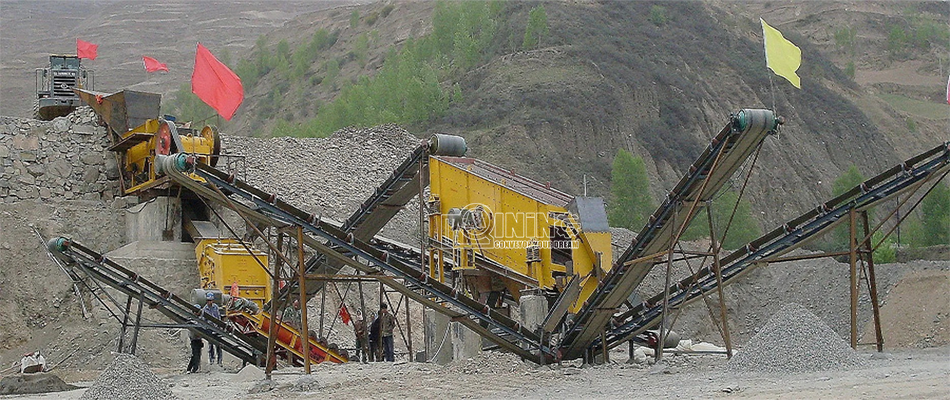
The manufactured sand production process generally follows these stages:
1. Feeding & Primary Crushing
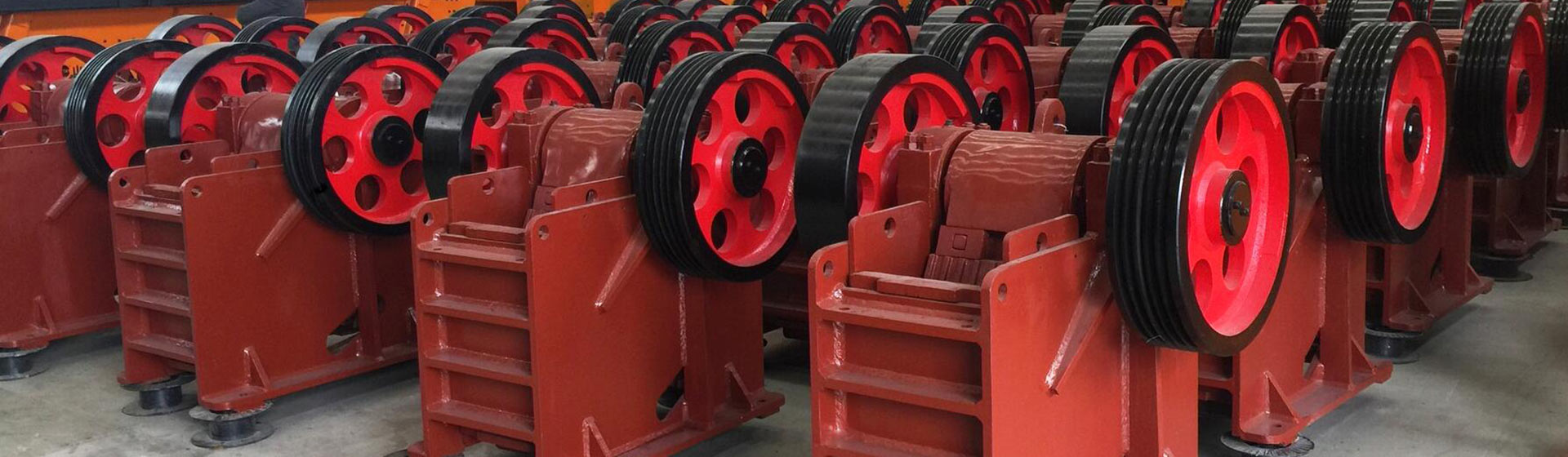
Raw rocks are fed into a jaw crusher for primary crushing, breaking them down into smaller, manageable pieces.
2. Secondary Crushing
The crushed material then goes through secondary crushing using cone crushers or impact crushers to further reduce the size.
3. Sand Making (Key Stage)
This is the most critical step. A Vertical Shaft Impact (VSI) crusher (sand maker) further crushes and shapes the stones into fine, graded sand.
The VSI uses a rock-on-rock crushing principle – rocks are accelerated at high speed into a rock box of the same hardness material, achieving maximum breakage. This principle is more efficient in producing manufactured sand as it directly crushes the rocks without intermediate stages.
4. Screening & Classification
The crushed material is screened to separate different particle sizes. Material that is too large is returned to the crusher for further processing.
5. Washing & Dust Removal
Depending on the process (dry or wet method), the final sand is washed or treated to remove fines and impurities, producing clean, high-quality manufactured sand.
Equipment Required
| Equipment | Function |
|---|---|
| Vibrating Feeder | Feeds rocks evenly into the crusher |
| Jaw Crusher | Primary crushing of large rocks |
| Cone / Impact Crusher | Secondary crushing |
| VSI Crusher (Sand Maker) | Core sand shaping and production |
| Vibrating Screen | Particle size classification |
| Sand Washer | Removes impurities and dust |
Advantages of Manufactured Sand
Consistent quality and controlled gradation
Better particle shape — VSI crushers produce sand with superior gradation and shape, improving packing density and compressive strength in concrete
Cost-effective — manufactured sand is often less expensive than natural river sand
Environmentally friendly — reduces river dredging and environmental damage
Available on demand — not dependent on natural sand deposits
Conclusion
Making manufactured sand by crushing rocks is a straightforward yet highly effective process. With the right equipment—especially a VSI crusher for the sand-making stage—you can produce high-quality sand that meets construction standards, reduces costs, and helps preserve natural resources.
Ready to start your manufactured sand production? Contact us to learn more about our complete sand making solutions.