Introduction
If you are in the gold mining business, you know that grinding is everything. No matter how good your leaching or flotation process is, if your ore is not ground to the right size, you are leaving gold in the tailings.
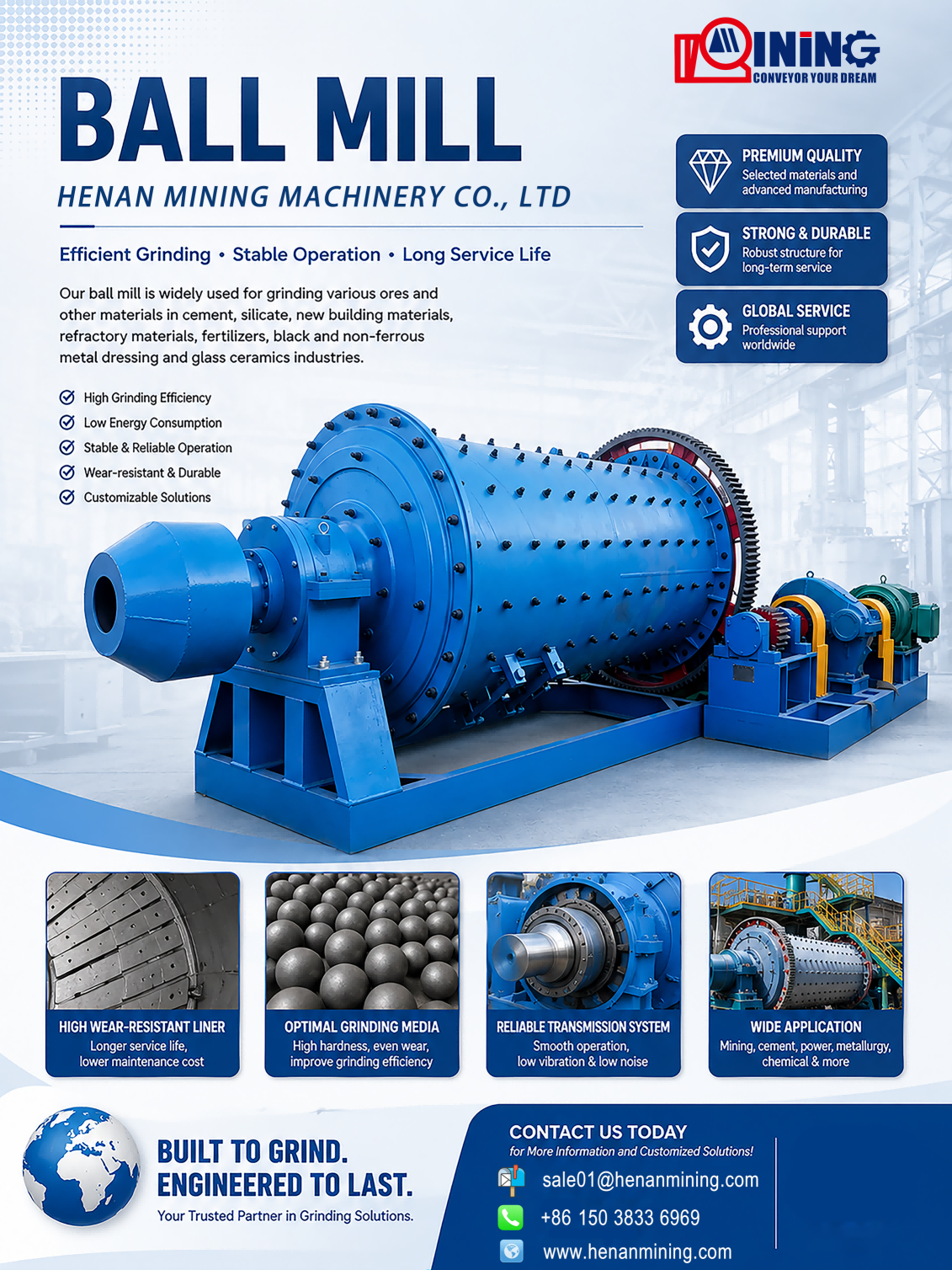
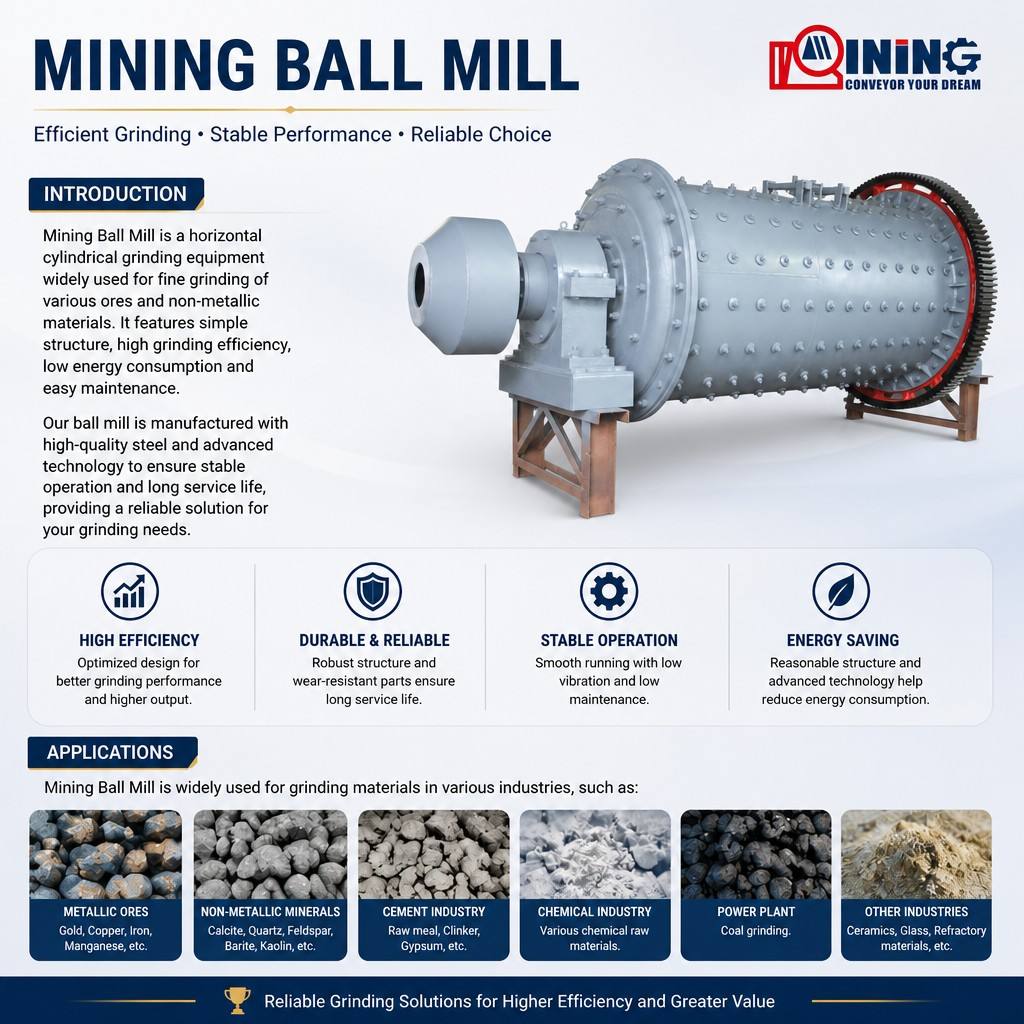
The ball mill is the heart of any gold processing plant. It takes crushed ore and turns it into a fine powder, liberating the gold particles from the surrounding rock so they can be recovered.
This guide covers what you actually need to know about ball mills for gold processing – in plain language, without the fluff.
Why Ball Mills Matter for Gold Recovery
Gold is often trapped inside hard rock. To get it out, you have to crush and grind the rock until the gold particles are free. The finer you grind, the more gold you can recover – but grinding too fine wastes energy and money.
The goal is to find the sweet spot: fine enough to liberate the gold, but coarse enough to keep costs under control. That is where a well-selected and properly operated ball mill makes all the difference.
Grid Type or Overflow Type – Which One Do You Need?
| Feature | Grid Type (Grate) | Overflow Type |
|---|---|---|
| Best for | Primary grinding, coarse feed | Secondary grinding, fine grinding |
| Discharge | Forced through grate | Natural overflow |
| Capacity | 20-30% higher | Lower |
| Over-grinding | Less likely | Can happen |
| Typical use | First stage grinding | Regrinding concentrates |
Quick Selection Guide
Use a grid type mill if you are doing primary grinding and want higher capacity
Use an overflow type mill if you need a finer product and are doing secondary grinding
For small operations, a grid type mill often makes more sense because you get more production from one machine
Sizing Your Mill: How to Choose the Right Model
Step 1: Know Your Ore
What is the feed size from your crusher?
How hard is your ore?
What is your target grind size?
Harder ores need larger mills and more power. Softer ores can get by with smaller equipment.
Step 2: Know Your Capacity
How many tons per hour do you need to process? As a rule, choose a mill with 10-20% more capacity than you currently need. This gives you room to grow and handles fluctuations in feed rate.
Common capacities for gold processing:
| Mill Size | Capacity (t/h) | Typical Use |
|---|---|---|
| 900×1800 | 0.65–2 | Small pilot plants |
| 1200×2400 | 1.5–4.8 | Small gold operations |
| 1500×3000 | 2–5 | Medium operations |
| 1830×6400 | 6.5–15 | Medium-large operations |
| 2200×7500 | 16–29 | Large commercial mines |
Step 3: Know Your Product Fineness
For gold leaching (cyanidation), you typically need 85-95% passing 200 mesh (0.074mm) . If you are using gravity concentration, you might not need to grind as fine.
Wet Grinding vs Dry Grinding
| Aspect | Wet Grinding | Dry Grinding |
|---|---|---|
| Efficiency | Higher | Lower |
| Energy use | Lower | Higher |
| Dust | Minimal | Significant |
| Common in gold | Yes, standard | Rare |
For gold processing, wet grinding is the standard. It is more efficient, easier to handle, and produces less dust. The slurry can be pumped directly to the next stage of processing.
Latest Technologies Worth Knowing
1. Nano-Composite Ceramic Balls
Traditional steel balls create iron powder that reacts with cyanide – increasing your chemical costs. Ceramic balls solve this problem.
Real benefits:
35% less power consumption per ton
57% less ball consumption
Lower cyanide use
Better gold recovery
Some gold plants are now mixing ceramic and steel balls at a 3:1 ratio and seeing excellent results.
2. Smart Monitoring
AI and sensors can now monitor your ball mill in real time. The system tracks:
Mill load
Temperature
Vibration
Toe position
Operators can adjust water, feed rate, and ball volume instantly. The result: less downtime and lower maintenance costs.
3. Rubber Liners
Rubber liners weigh two-thirds less than steel liners and last just as long. They are easier to install and cause less wear on the mill structure.
Maintenance Checklist
| Task | Frequency |
|---|---|
| Check lubrication | Daily |
| Inspect liners for wear | Weekly |
| Check ball charge level | Weekly |
| Monitor bearing temperature | Daily |
| Replace liners | As needed (monitor wear) |
| Full mill inspection | Annually |
Keep These Numbers in Mind
Bearing temperature: keep below 65°C
Concentration deviation: keep under 3%
Fineness deviation: keep under 5%
Real-World Success: B2Gold Masbate Project
The Masbate gold project in the Philippines operates a 9.75m SAG mill followed by 9.6 MW of secondary ball milling. A 2019 expansion added a third ball mill, increasing throughput from 6.5 million tons per year to 8.0 million tons per year.
This shows how proper grinding circuit design directly translates to higher gold production.
Summary: Key Points to Remember
Choose the right type – grid type for primary grinding, overflow type for fine grinding
Size it correctly – always leave 10-20% capacity margin
Wet grinding is the gold standard
New technology pays off – ceramic balls and smart monitoring reduce costs
Maintenance is not optional – regular checks keep your mill running
Ready to Optimize Your Gold Processing?
Whether you are building a new plant or upgrading an existing one, getting the ball mill right is the most important decision you will make.
Our team can help you:
Select the right mill size and type
Optimize your grinding circuit
Reduce power and media consumption
Improve gold recovery rates
Contact us today to discuss your specific ore and production targets.