Introduction
In the world of mineral processing and industrial grinding, one question keeps coming up: How can we grind finer, purer, and with less energy?
The answer increasingly points to one solution: the ceramic ball mill.
While steel ball mills have dominated the industry for decades, ceramic ball mills are rapidly gaining traction in mining, ceramics, chemical processing, and advanced material production. The reason is simple—they solve three of the biggest problems in grinding: iron contamination, excessive energy consumption, and poor product uniformity.
This article explores what ceramic ball mills are, how they work, why they outperform traditional mills, and where they deliver the most value.

What Is a Ceramic Ball Mill?
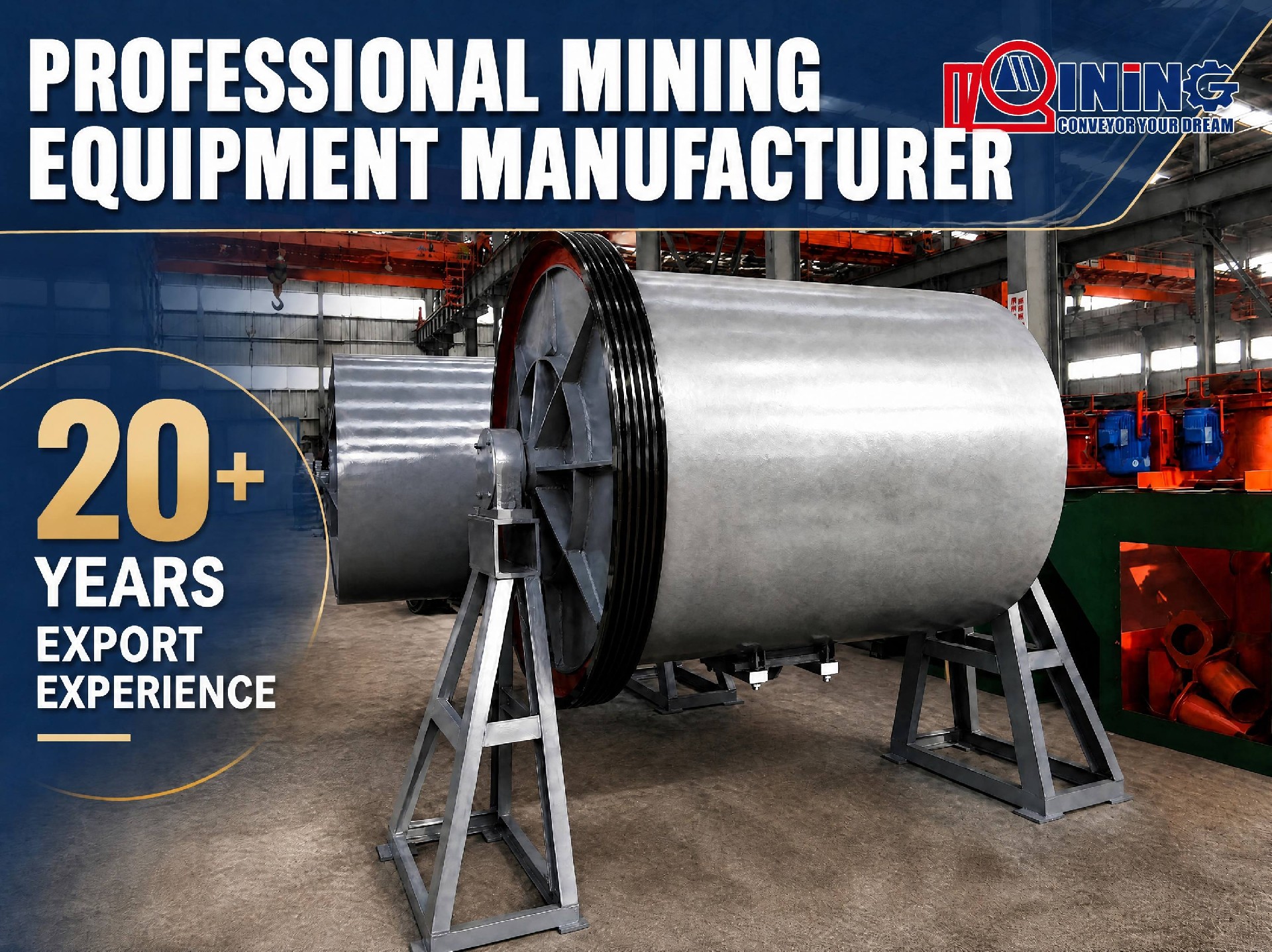
A ceramic ball mill is a grinding machine that uses ceramic liners and ceramic grinding media (typically alumina or zirconia balls) instead of steel. Unlike conventional mills that rely on steel balls and manganese steel liners, ceramic ball mills are engineered specifically for applications where product purity and fine grinding are critical.
They can operate in both wet and dry modes, making them versatile across various industries. They are commonly used to grind materials like quartz, feldspar, ceramics, advanced minerals, and semiconductor materials down to particle sizes of 1 micron or less.
Ceramic Ball Mill vs. Steel Ball Mill: The 5 Critical Differences
Understanding the differences is key to making the right equipment choice.
1. Material Purity (The "Iron-Free" Factor)
This is the single most important distinction.
Steel ball mills inevitably introduce trace amounts of iron into the product due to liner and ball wear. In industries like high-grade ceramics, glass, or electronics, even a tiny amount of iron contamination can ruin product color, quality, and performance.
Ceramic ball mills provide zero iron contamination, making them essential for processing high-value materials like quartz, feldspar, and zircon. Studies have confirmed that ceramic grinding produces cleaner concentrates with lower harmful impurity content compared to steel ball milling.
2. Energy Efficiency
Ceramic liners and media are significantly lighter than steel counterparts. This reduced rotating mass means a ceramic ball mill often requires a smaller motor and consumes less electricity for the same grinding volume.
Research shows that ceramic balls can reduce specific grinding energy consumption by 35% to 70%. In one large-scale industrial application, replacing steel cylpebs with ceramic balls reduced mill operating power from 6,357 kW to 5,460 kW—a 14.11% decrease.
3. Grinding Mode: Batch vs. Continuous
Ceramic ball mills are frequently designed for batch operation. This allows precise control over grinding time and fineness, often reaching 325 to 1,250 mesh. Steel ball mills, by contrast, are almost always continuous (overflow or grate type), designed to maximize production volume.
4. Feed Size and Impact Resistance
Steel ball mills excel at primary grinding, handling large feed sizes up to 25mm. Ceramic liners, while extremely hard and wear-resistant, are more brittle. They are best suited for pre-crushed materials (typically <10mm) or secondary fine grinding.
5. Maintenance and Operating Costs
Replacing ceramic bricks is labor-intensive and requires specialized adhesive and curing time. Metallic liners in steel mills are bolted in for faster replacement. However, the reduced wear rates and lower energy consumption of ceramic mills often result in lower overall operating costs over the equipment's lifetime.
Key Advantages of Ceramic Ball Mills
1. Dramatic Energy Savings
The grinding process accounts for over 50% of a mineral processing plant's total energy consumption. Ceramic balls address this head-on.
With their low density and optimized motion dynamics, ceramic balls achieve superior grinding performance at lower energy consumption. Lower media density enhances collision energy distribution uniformity while maintaining the same grinding effect.
In metal mines, ceramic balls achieve comprehensive energy and media cost reductions exceeding 50%.
2. Superior Product Quality
Ceramic grinding produces a coarser particle size distribution and substantially reduces fine particles below 23μm compared to steel milling. This means less over-grinding and better liberation of valuable minerals.
In flotation applications, ceramic ball grinding has been shown to produce higher-grade concentrates with better recovery rates.
3. Reduced Media Wear and Lower Carbon Footprint
Ceramic balls offer high hardness, high strength, and low wear. The full-life cycle carbon emission intensity of nano-ceramic balls is reduced by over 40% compared to traditional steel balls.
4. Consistent, Controllable Fine Grinding
Ceramic ball mills can achieve particle sizes down to 1 micron or less. The batch operation mode allows operators to precisely control grinding time and fineness, ensuring consistent product quality.
Applications and Industries
Ceramic ball mills are widely used in:
Mining and Mineral Processing: Fine grinding of gold, copper, iron, and other ores, particularly where product purity matters
Ceramics Industry: Grinding of feldspar, quartz, clay, and glaze materials
Advanced Materials: Processing of semiconductor materials, electronic ceramics, and high-purity minerals
Chemical and Pharmaceutical Industries: Fine grinding of chemical raw materials where contamination must be avoided
Conclusion
The ceramic ball mill is not just an alternative to steel ball mills—it is a strategic upgrade for operations that prioritize product purity, energy efficiency, and fine grinding precision.
Whether you are processing high-grade minerals, manufacturing advanced ceramics, or producing semiconductor materials, the ceramic ball mill offers a cleaner, greener, and more cost-effective grinding solution.
Ready to upgrade your grinding process?
Contact our team to discuss your specific application and find the right ceramic ball mill for your operation.